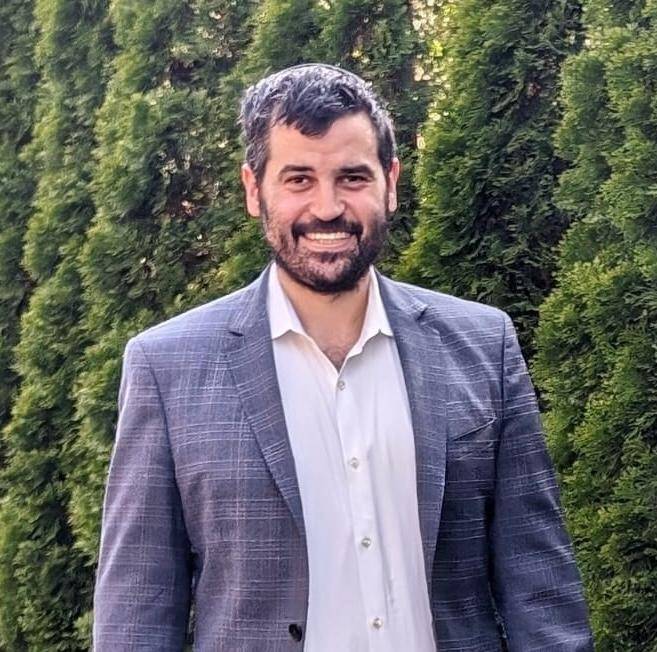
Dr. Moshe Maiman
Background
Dr. Maiman is a licensed pediatric neuropsychologist and child neuropsychologist in Florida and New York. He provides comprehensive neuropsychological and neurodevelopmental assessments for toddlers, children, adolescents, and young adults with a wide range of developmental, genetic, neurological, medical, emotional, and behavioral concerns.
His work aims to understand how these conditions and their treatments influence brain development and affect cognitive (thinking), emotional, behavioral, social, and adaptive functioning. Through careful assessment, Dr. Maiman seeks to characterize each child's unique pattern of strengths and weaknesses and their impact on day-to-day functioning.
Using this information, he provides clear diagnostic understanding and practical, evidence-based, and strength-focused recommendations to support children at home, in school, and in their broader environments. His approach is collaborative and family-centered, with the goal of helping children reach their fullest potential while equipping parents with the knowledge and tools needed to advocate effectively for their child.
"My approach is collaborative and family-centered, with the goal of helping children reach their fullest potential."
Why I Do This Work
"Every child deserves to be understood. My goal is to help families see their child's full picture—their unique strengths, challenges, and potential. I believe that with the right understanding and support, every child can thrive. It's a privilege to be part of that journey with the families I serve."
Training and Experiences
Before private practice, Dr. Maiman was a pediatric neuropsychologist at Hassenfeld Children's Hospital at NYU Langone Health, where he served as a clinical assistant professor in the Department of Child and Adolescent Psychiatry. Prior to this, he completed his pediatric APPCN-accredited neuropsychology fellowship at the Boston Children's Hospital/Harvard Medical School and his pediatric neuropsychology APA-accredited internship at the University of Chicago Medical Center. He graduated from Drexel University with his doctorate in clinical psychology with specializations in pediatric psychology and neuropsychology. Before attending graduate school, Dr. Maiman received his rabbinical ordination at the Rabbinical College of America.
Areas of Assessment
Dr. Maiman assesses children, adolescents, and young adults with a wide range of profiles:
- Learning disorders
- Attention Deficit Hyperactivity Disorder (ADHD)
- Autism Spectrum Disorder (ASD)
- Intellectual Disability and global developmental delay
- Language disorders
- Genetic disorders (e.g., Down Syndrome, 22q11.2 Deletion)
- Emotional and behavioral concerns (e.g., anxiety, depression, oppositional defiant disorder)
- Complex medical/neurological disorders (e.g., epilepsy, congenital heart defects, childhood cancers, traumatic brain injury, stroke, diabetes, spina bifida, cerebral palsy, premature birth, etc.
- Learning and cognitive profiles that do not fit neatly into a single diagnostic box.
Each evaluation is tailored to the child's developmental history, current concerns, and referral questions.
Beyond neuropsychological assessment, Dr. Maiman is well-trained in delivering multiple intervention modalities (Parent-Child Interaction Therapy, Behavioral Management, ADHD Management, Behavioral Sleep, Cognitive Behavioral Therapy, and Medical Compliance/Adherence Support). Moreover, he has extensive experience working closely with interdisciplinary care teams, including physicians, educators, therapists, and families to provide coordinate care tailored to each child's strength, challenges, and goals.
Research and Professional Involvement
Dr. Maiman has been actively involved in clinically-focused research, exploring how genetic, neurodevelopmental, and neurological conditions affect children's thinking, behavior, and emotions. His work has been presented nationally and internationally and published in peer-reviewed journals.
His recent interests include identifying early markers of later neurocognitive and psychosocial outcomes in pediatric neurodevelopmental and medical populations, with a particular interest in early motor development as a predictor for later executive functioning.
He is a member of the American Academy of Clinical Neuropsychology and the American Psychological Association.